Tofu making is ultimately a study in protein denaturation, cross-linking, or starch retrogradation. By understanding whether a raw base relies on exogenous coagulants, built-in divalent minerals, or starch gelation, you can produce firm, sliceable block tofu from virtually any protein-rich legume, nut, or seed. The Chemistry of Alternative Tofu Cross-Linking can briefly be summarized as:
- Protein Unfolding & Denaturation: Heating raw plant milk to ~80°C–90°C disrupts internal hydrophobic bonds inside globulin structures to expose active binding sites.
- Charge Neutralization & Divalent Bridges: Divalent minerals (Magnesium Mg²⁺ and Calcium Ca²⁺) or acid protons (Lemon Juice / Vinegar H⁺) neutralize surface charges on proteins, causing them to group together into curds.
- Starch Gelatinization: In high-starch seeds or grains (Chickpeas, Lentils, Rice, Oats), swelling amylose starches hold water directly upon cooling to set into a sliceable gel without discharging whey.
Tofu Coagulation & Setting Techniques
5 Core Chemical Mechanisms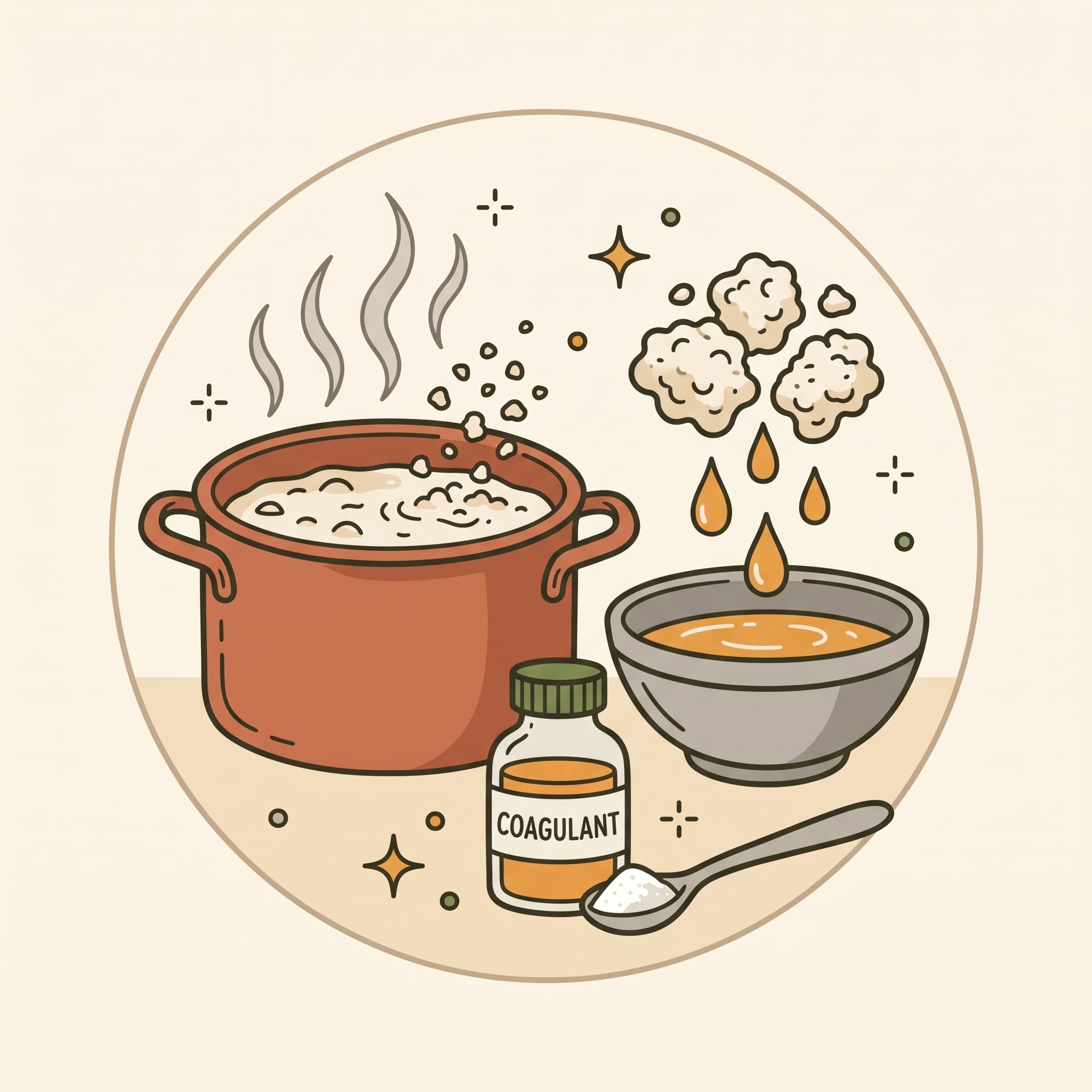
Protein Curdling & Pressing
Heat uncoils proteins. Added acids or mineral salts (Lemon Juice, Vinegar, Salt Coagulants / Nigari, Gypsum) bind curds together while squeezing out whey.
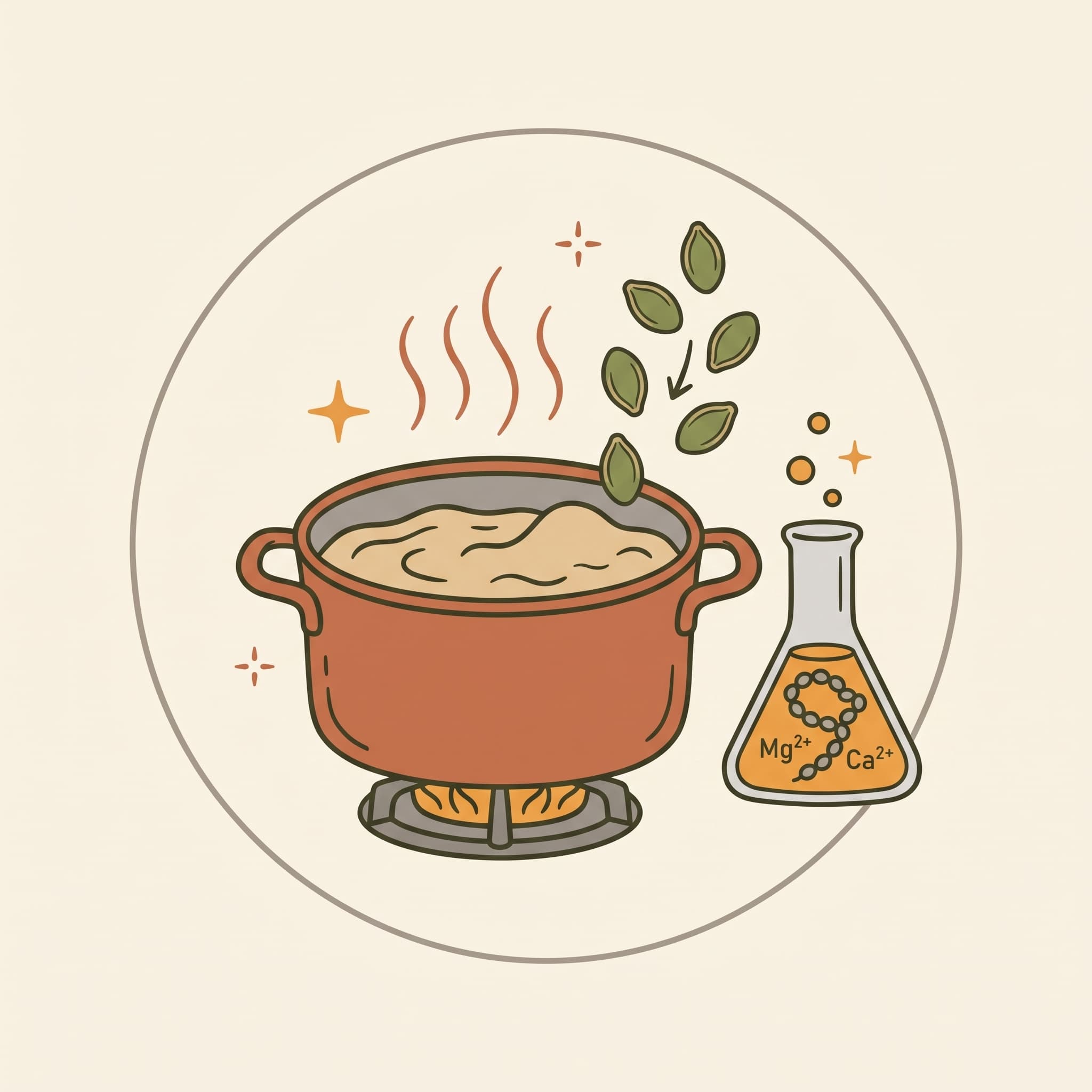
Natural Mineral Self-Gelation
High intrinsic protein with natural minerals (Magnesium Mg²⁺ & Calcium Ca²⁺). Heat causes milk to bind and gel automatically without coagulant.
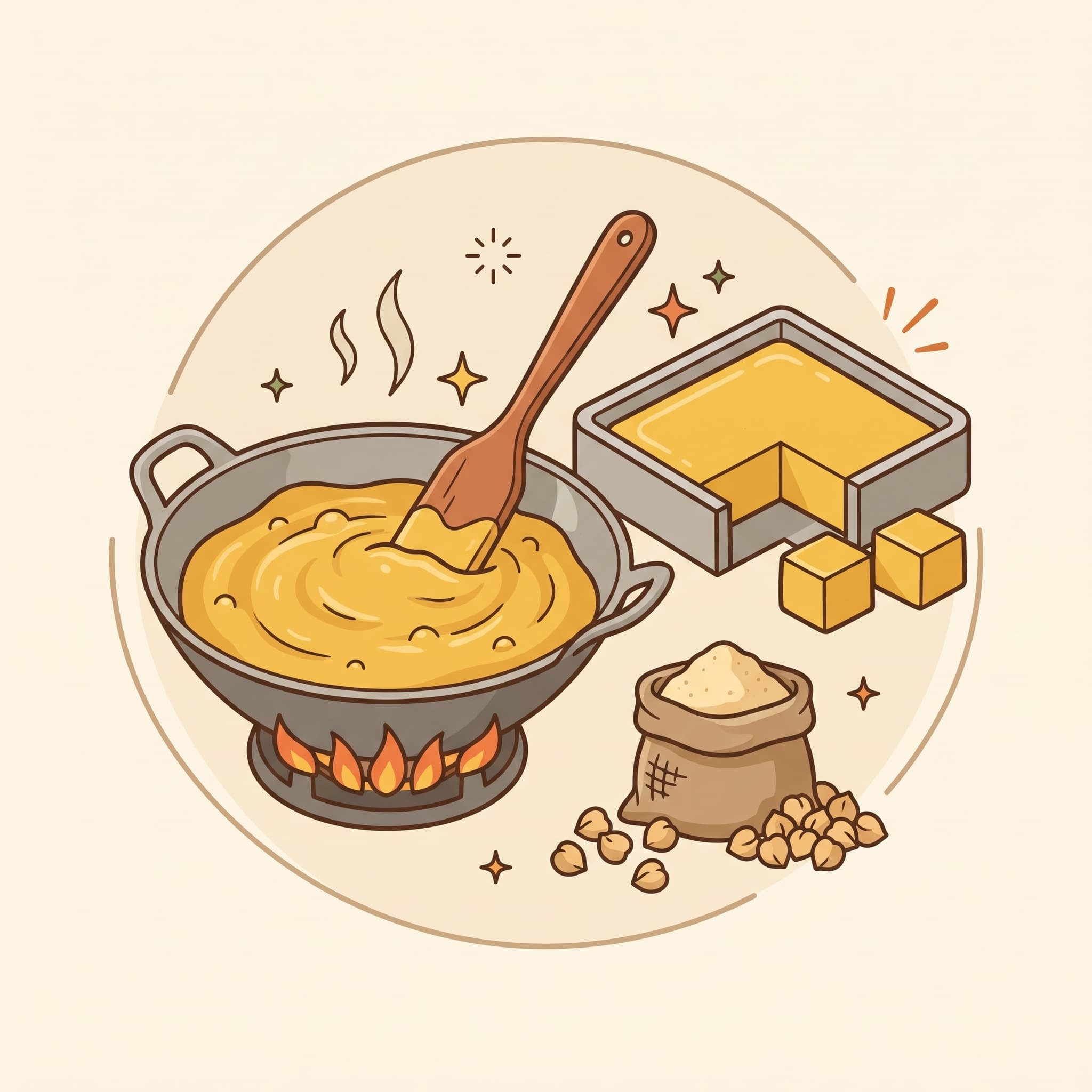
Starch Gelatinization
No curdling or whey runoff. Raw slurry is simmered until starches swell into a smooth paste, setting firm as it cools (Shan / Burmese style).
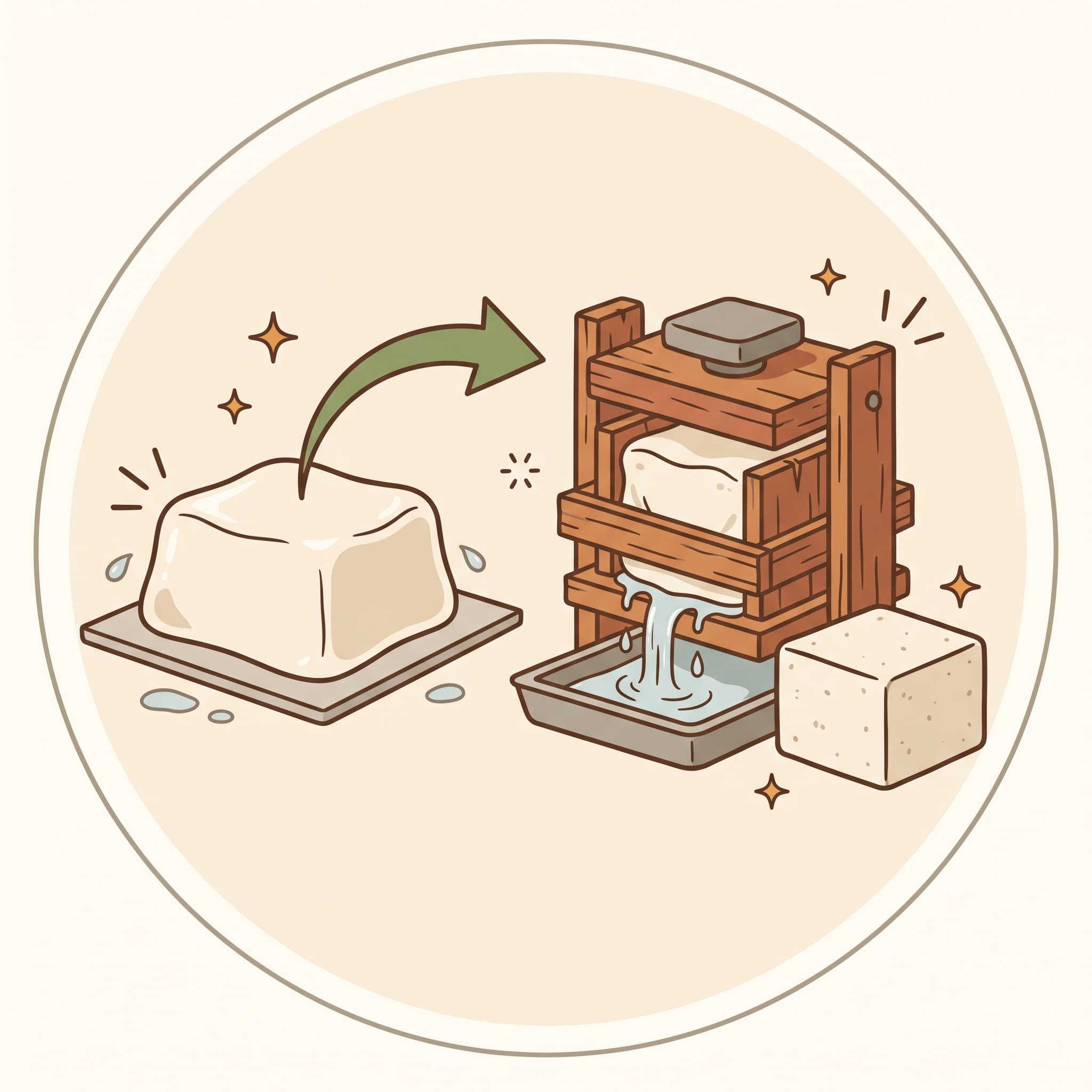
Silken-to-Firm Pressing
Coagulant is stirred directly into warm milk to set the entire container into silken tofu first, then broken up and pressed into a firm, extra-silky block.
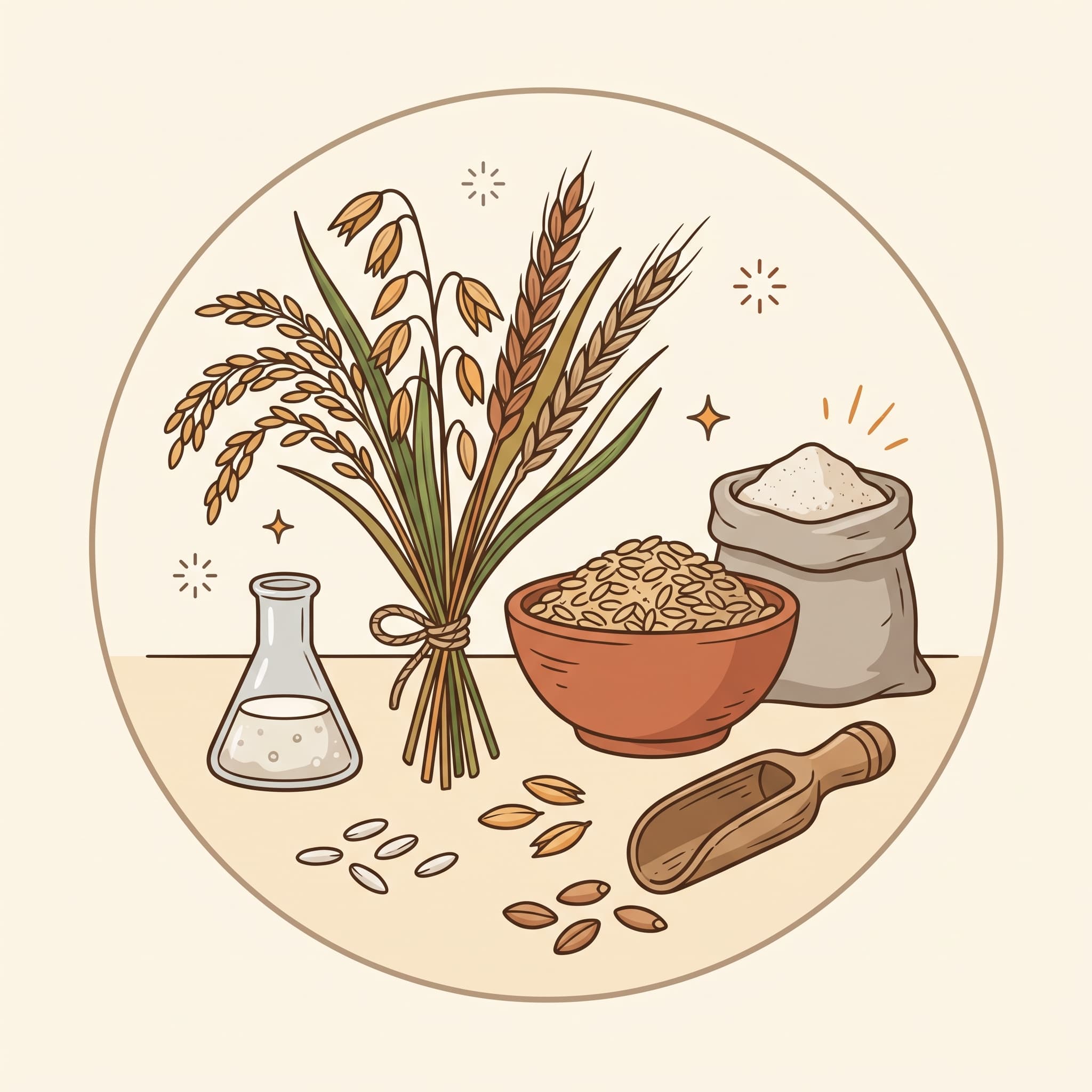
Grain Thermo-Gelation
Uses grain starches and natural soluble fibers (Beta-Glucans). Soaked grain slurry is slow-cooked until viscous, solidifying into a sliceable savory cake.
1. Select Raw Seed, Legume or Grain Base
2. Infusion Spices & Botanical Mixes
Select spices to blend into warm milk or dust onto block
3. European Batch Scaling & Financials
Water Ratio 1:8Pumpkin Seeds (Pepitas) Tofu
None required (Self-coagulating via native Magnesium / Calcium & heat)
Dynamic Preparation Protocol
- Measure out precisely 330 g dry raw pumpkin seeds.
- Soak in 990 mL fresh water for 6–8 hours until fully hydrated.
- Blend thoroughly with 2,640 mL water until smooth.
- Filter milk through a nut milk bag to remove coarse seed pomace.
- Heat seed milk in a heavy pot over medium heat, stirring continuously.
- As temperature hits ~85°C, proteins self-coagulate into thick curds.
- Transfer curds directly into a cloth-lined mold and press with a 1 kg weight for 25 mins.
Nutty, vibrant pale green block with smooth cutability and clean finish.
Storage Guidelines & Shelf-Life Preservation
🫙 Raw Dry Base Storage
- Airtight Glass Jars: Store raw seeds and legumes in vacuum-sealed or clip-top glass jars in a cool, dark pantry (12°C – 18°C).
- Shelf-Life Post-Harvest: 12 to 24 months. Higher fat bases (Pepitas, Sunflower) should be refrigerated after 6 months to prevent lipid oxidation.
- Hydration Check: Bases stored past 1 year require +2 hours additional soaking time prior to blending.
🧊 Fresh Finished Tofu Preservation
- Water-Submerged Fridge Storage: Place fresh block in a container fully submerged in cold filtered water. Change water daily. Lasts 7 – 10 days at 3°C.
- Dry Vacuum / Sealed Storage: Lightly salted surface storing lasts 3 – 5 days in fridge.
- Freezing Dynamics: Freezing transforms smooth protein into a spongy, highly absorbent matrix. Ideal for Type A & B. Lasts up to 3 months.
2-Year European Planting & Harvesting Calendar
Active Base: Pumpkin Seeds (Pepitas)| Crop Base | Year 1 (Jan – Dec) | Year 2 (Jan – Dec) | ||||||||||||||||||||||
|---|---|---|---|---|---|---|---|---|---|---|---|---|---|---|---|---|---|---|---|---|---|---|---|---|
| J | F | M | A | M | J | J | A | S | O | N | D | J | F | M | A | M | J | J | A | S | O | N | D | |
| Pumpkin Seeds (Pepitas) | S | S | H | H | H | |||||||||||||||||||
| Yellow Soybeans | S | S | H | H | H | |||||||||||||||||||
| Silken Soybeans (Firm-Pressed) | S | S | H | H | H | |||||||||||||||||||
| Chickpeas (Garbanzo) | S | S | H | H | H | |||||||||||||||||||
| Red Split Lentils | S | S | H | H | H | |||||||||||||||||||
| Rolled Oats (Hafer) | S | S | H | H | ||||||||||||||||||||
| Whole Spelt Grains (Dinkel) | S | S | H | H | ||||||||||||||||||||
| White / Brown Rice | S | H | H | |||||||||||||||||||||
| Sunflower Seeds | S | S | H | H | H | |||||||||||||||||||
| Fava / Broad Beans (Overwintered) | S | S | H | H | H | |||||||||||||||||||
| Hemp Seed Hearts | S | S | H | H | ||||||||||||||||||||
| Raw Peanuts | S | H | H | H | ||||||||||||||||||||
| Yellow / Green Split Peas | S | S | H | H | H | |||||||||||||||||||
| Black Soybeans | S | S | H | H | ||||||||||||||||||||
| White Navy Beans | S | H | H | H | ||||||||||||||||||||
| White Sesame Seeds (Goma) | S | H | H | |||||||||||||||||||||